October 25, 2026


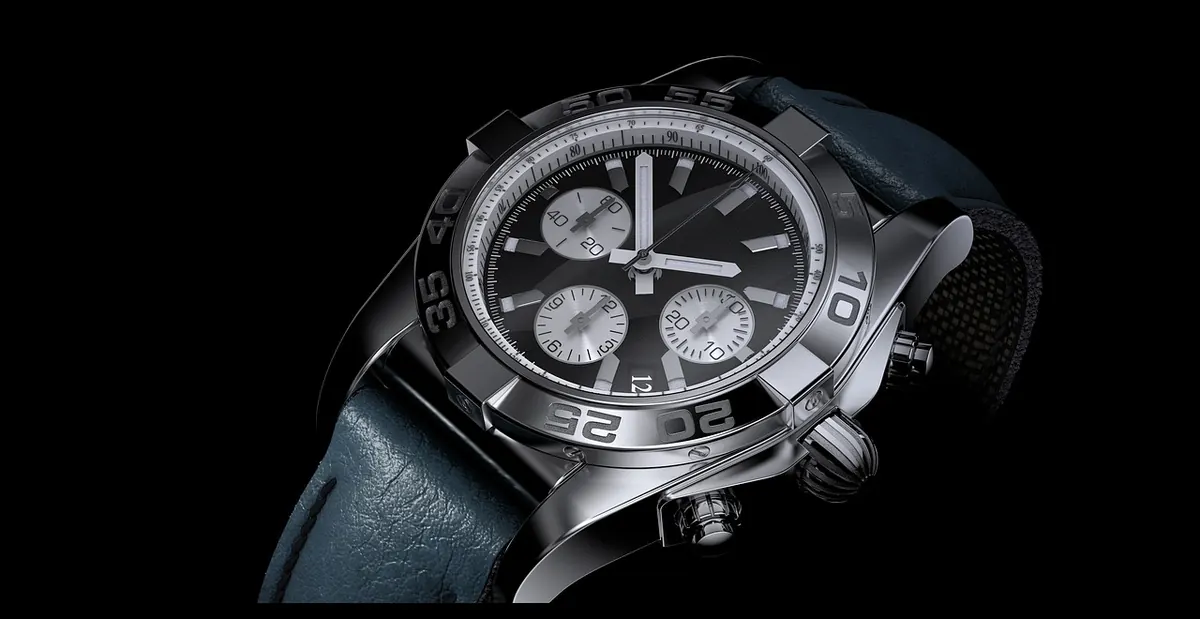
A leather watch strap is the hardest-working part of the watch and the least considered. It absorbs sweat on a Tuesday commute, takes the brunt of a shirt cuff, gets splashed at the bathroom sink, then sits in the dark until morning. None of that ruins it on its own. What ruins it is what happens when dust, salt and body oils are left to work into the grain for months — the leather stiffens, darkens at the buckle and eventually cracks along the bend near the lugs.
Cleaning a leather strap properly takes about ten minutes, two drops of mild soap and a soft cloth. Done regularly but not too often, it adds real life to the strap. Done carelessly — soaked through, scrubbed hard, dried on a radiator — it can do more damage than leaving the thing alone.
Leather is skin. It has been tanned and finished, but it still holds natural oils and fats that keep it supple, and those are exactly what wear and cleaning strip away. Sweat is the main offender: mildly acidic, salty, and soaked into the lining every time you wear the watch. Left alone, it dries the leather from the inside, which is why the underside of an old strap goes dark, crusty and stiff long before the outside shows any wear.
Water is the second. A quick wipe with a damp cloth is fine. A strap that has been submerged swells, and if it then dries too fast or too hot, the fibres set stiff and the leather shrinks slightly around the stitching. Heat is the third — radiators, hairdryers, sunny windowsills. Soap residue is the fourth and the most overlooked: a thin film left in the grain attracts dirt and dries the surface. Rinsing matters as much as washing.
One exception worth naming: suede and nubuck straps should not be washed this way at all. They need a suede brush and a gum eraser, and water will leave tide marks. Everything below is for smooth, grained and lined leather.
Nothing specialised, and nothing expensive. Gather it before you start so you are not hunting for a clean cloth with wet hands.
Work at a table with good light, not over a sink. The whole routine is gentle by design — you are lifting dirt off the surface, not scrubbing it out of the leather.
Lay the strap flat on a folded towel, buckle open, at room temperature. Curl a soft cloth inside the arc near the lugs so the leather dries in roughly the shape it holds on your wrist — leather that dries flat and straight will crease the first time you put it back on. Give it twelve hours, and a full day for a thick padded strap.
Keep it away from radiators, hairdryers, ovens, car dashboards and direct sun. Fast heat pulls moisture out unevenly, stiffens the fibres and can shrink the leather enough to pull at the stitching. Do not wear it while it is still damp: damp leather stretches and takes a crease that never quite leaves, and moisture trapped between the strap and the case is exactly what you were trying to remove.
Once it is completely dry, work a pea-sized amount of conditioner into the visible side with your fingertip and buff off the excess after ten minutes. Skip the lining — it needs grip, not slip, and conditioner there just attracts dirt.
If a strap smells sour, the lining is holding bacteria in the grain. Clean it as above and let it dry fully, then seal the dry strap in a container overnight with a small open dish of baking soda beside it — not sprinkled on the leather. Air it out the next day. If the smell returns within a week or two, the lining is beyond saving and a new strap is the honest answer.
Darkening around the buckle is patina, not dirt. Trying to scrub it back to an even colour usually takes the finish with it. Ink marks are best left alone; alcohol lifts ink and leather dye equally. For anything deep-set, a shoe repairer or leatherworker can assess it far better than a home remedy can.
White or green fuzz is mould. Keep that strap away from other leather, wipe it with a cloth dampened with a little diluted white vinegar, and dry it thoroughly in open air. If it comes back, replace the strap.
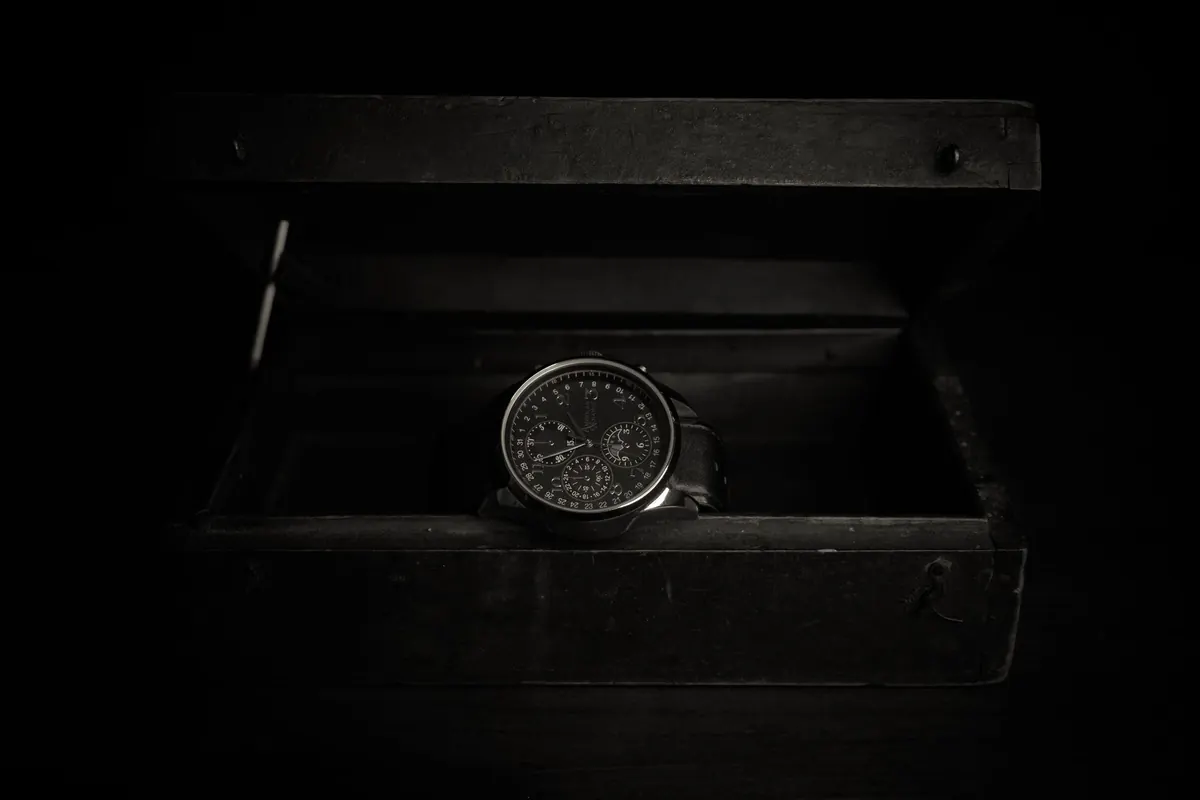
Most strap longevity comes from what you do on ordinary days. Wipe the strap with a dry cloth when you take the watch off, and leave it unbuckled and open for an hour before it goes into a drawer. If you wear the watch daily, a second strap is not an indulgence — alternating lets each one dry completely between wears and roughly doubles the life of both.
Keep leather out of the shower, the pool and the gym, and be deliberate about the buckle rather than pulling the strap free by its tail. Store the watch flat or on a soft roll, not hanging from a hook, which stretches the holes over time. Ten gentle minutes every few months, and the strap will stay soft, dark where it should be and intact where cheap straps split.
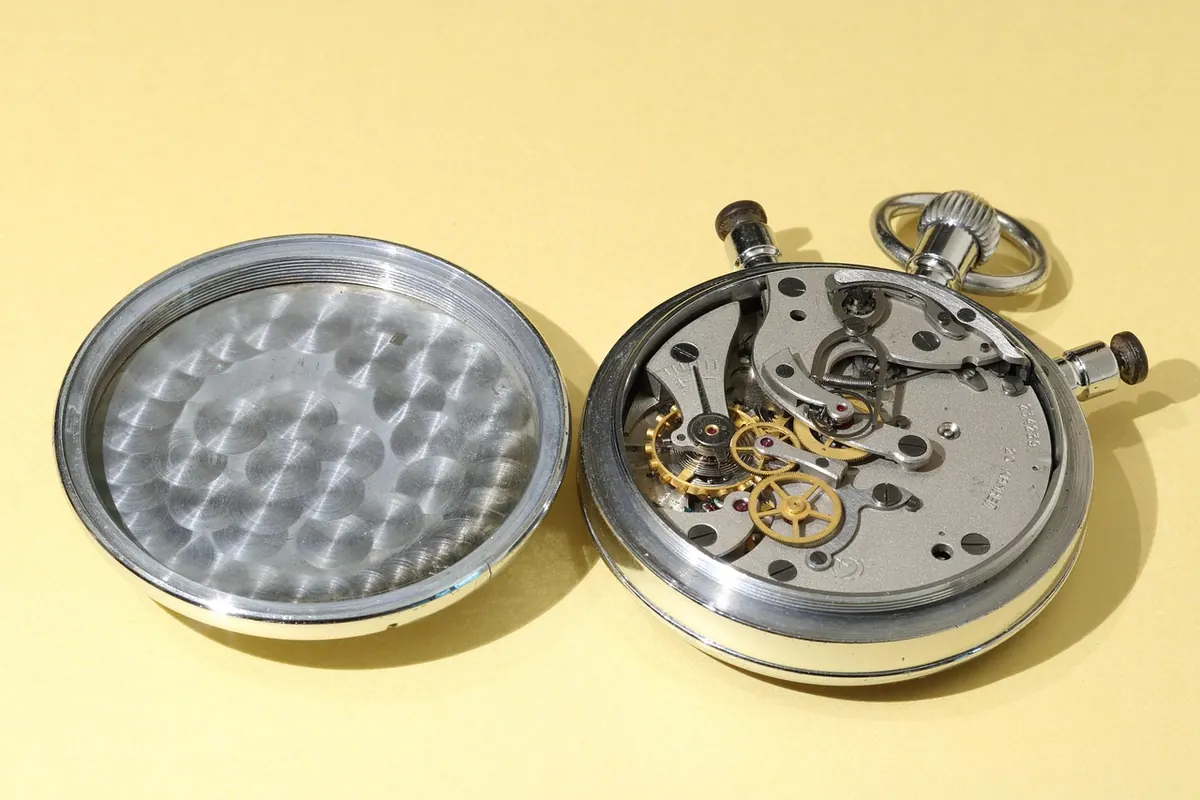
Photo: PIRO4D / Pixabay
Always time for timeless watches and clocks..
Copyright © 2026 Ore Sempre. All rights reserved. Ore Sempre.