October 25, 2026


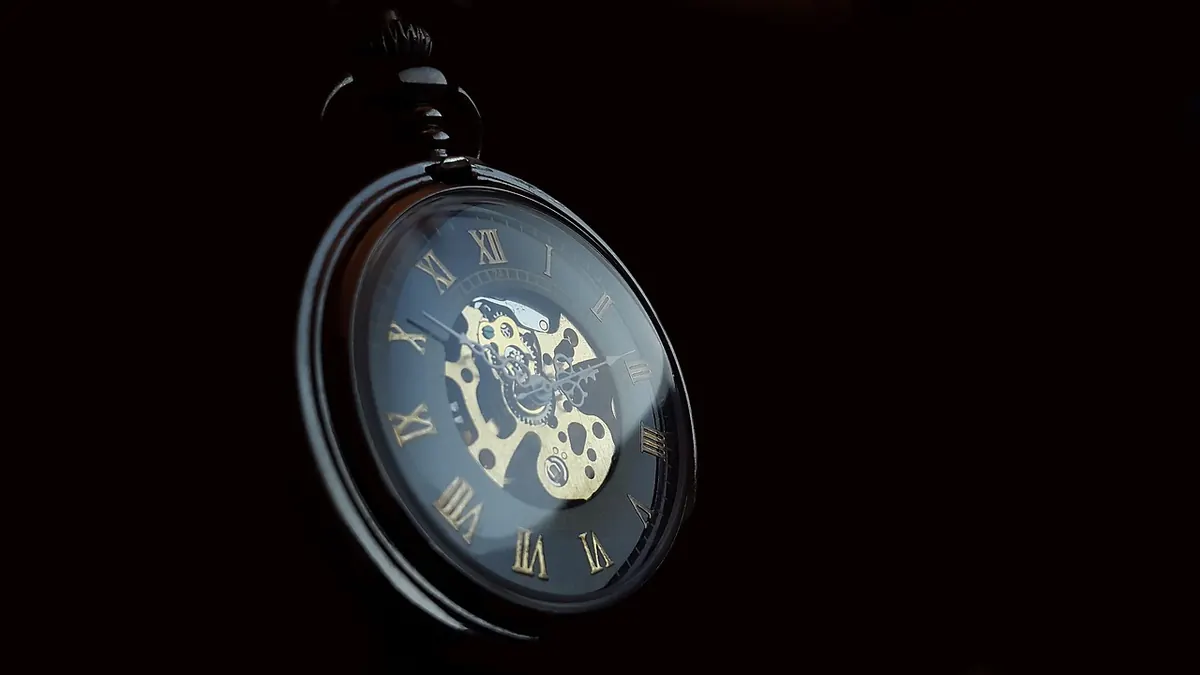

A watch stamped “30m” does not mean you can swim to the bottom of a 30-metre pool and admire the tiles. It means the case survived a laboratory pressure test equivalent to that depth under static conditions. Real water is less polite. It moves, splashes, heats up and cools down. It finds weak points around crowns, pushers and casebacks. That is why a 30m watch is fine for rain and handwashing but a poor choice for laps, while a 100m watch is a reasonable swimming companion. The rating is a starting point, not a guarantee.
The number on the dial is useful, but only if you read it correctly. A high rating does not rescue a worn watch, and a modest rating is not a licence to treat the case carelessly. Water resistance depends just as much on condition as on the printed figure.
Water resistance is usually expressed in metres, ATM or bar. They are different ways of saying the same thing: 30m equals 3 ATM, which equals 3 bar. The metre figure comes from a static pressure test, not a recommended diving depth. A watch rated to 50m is not built for a 50m dive. It is built to keep water out during a test that simulates that pressure for a short period. Most everyday ratings follow a standard test such as ISO 22810, which covers water-resistant watches rather than diving watches.
That distinction matters. A laboratory test usually applies pressure under controlled conditions, with the watch at a steady temperature and the crown, crystal and caseback in known condition. A real swim brings movement, changes in temperature and the occasional knock against a pool edge or a boat rail.
Movement changes the maths. When your arm hits the water during a dive, a cannonball or a vigorous swim stroke, the watch can experience a brief pressure spike well beyond the static rating. A 30m watch might survive a quick splash, but it is not designed for repeated immersion. A 100m watch has more margin for pool swimming, but it is still not a scuba tool.
Think about a 50m watch in the sea. Standing still in calm water is one thing. Falling off a paddleboard, pushing through a breaking wave or diving under the surface adds force that the static test never promised to handle. Thermal shock is another factor: a hot shower followed by a cold plunge can stress seals, and steam is especially good at finding its way past tired gaskets.
Watchmakers generally avoid the word “waterproof” because no watch is waterproof under every condition. “Water resistant” is the honest term. The rating also assumes the watch is in good condition: crown pushed in, caseback tight, gaskets intact. A 100m watch with a worn gasket is less protected than a 30m watch that has just been serviced.
A water resistance rating is a limit, not a lifestyle. It tells you what the watch survived in a test, not what it will survive on your wrist after five years of showers, sunscreen and skipped services.
A 30m rating is the minimum most dress watches and fashion watches carry. It covers everyday contact with water: washing your hands, walking through rain, a splash at the sink, a wet countertop. It is not a swimming rating. It is not a shower rating either, at least not a hot one. Steam and soap can degrade seals over time, and the pressure from a direct shower spray is more aggressive than the static test suggests.
A 30m dress watch is happiest at the office, dinner or a wedding. It can handle a washed hand and a rainy walk to the car. It should come off before you swim, shower, wash the car with a hose or do the washing-up in a deep sink. If it gets splashed, dry it with a soft cloth. If the crown is pulled out to set the time, push it back in before you go near water. A pulled crown is an open door.
Rain, handwashing and brief splashes are within its comfort zone. Swimming, snorkeling, hot tubs, saunas, high-pressure spray and long baths are not. If you want one watch for the pool and the office, look higher than 30m.
Fifty metres is where everyday watches start to loosen up. Many brands describe 50m as suitable for showering and light swimming. That is reasonable for a pool dip or a cautious swim in calm water, but the margin is slim. Do not jump into the sea, dive under waves or wear a 50m watch for regular laps without thinking about it.
If you plan to swim in a 50m watch, check the basics first. The crown must be fully pushed in or screwed down. The caseback must be tight. The gaskets should be in good shape. If the watch is old, has never been serviced or has a battery that was changed without a new gasket, do not trust the number on the dial. A pressure test at a watchmaker is inexpensive compared with a water-damaged movement.
If any of those checks fail, treat the watch as a dry-land watch until it has been inspected. A quick dip is not worth a fogged crystal and a corroded movement.
A 100m rating is the first number many people can reasonably call a swimming rating. It offers more margin than 50m for pool laps, splashing at the beach and casual snorkeling in calm water. It is still not a scuba rating, and it does not make a watch indestructible. But for a daily watch that sees a hotel pool, a lake swim or a holiday shoreline, 100m is a sensible floor.
A screw-down crown is a useful sign at this level, though not every 100m watch has one. A screw-down caseback, a decent crystal and healthy gaskets matter just as much. The rating is a system, not a single feature. A 100m watch that has been opened for a battery change and sealed without care is only as good as the seal that was fitted.
Do not confuse “100m” with “100m dive.” A 100m watch can handle surface swimming and shallow underwater use, but a proper dive watch is built to a different standard. If you are breathing compressed air underwater, you need a watch designed and rated for that job, not just a pool-friendly everyday piece.
For pool swimming, a 100m watch is usually comfortable. For beach use, rinse it in fresh water afterward to remove salt and sand. For light snorkeling in calm water, it is a reasonable choice if the crown is secure and the watch is in good condition. For cliff jumps, high-speed water sports or repeated dives under waves, move up the scale.
Also consider the strap. A leather strap on a 100m watch is a mismatch. Rubber, silicone or a woven NATO-style strap makes more sense around water, and it is easier to rinse and dry.
A 200m rating sounds serious, and often it is. But a high depth rating alone does not make a watch a certified dive watch. Proper dive watches are usually tested to a standard such as ISO 6425, which adds requirements beyond water resistance: legibility in darkness, a unidirectional timing bezel, resistance to shock, magnetic fields and temperature changes, and a clear diving-related marking.
That is why a 200m fashion watch and a 200m professional dive watch can be very different tools. Both may survive a swim. Only one was built and tested for underwater timing as a safety aid. If you need a dive watch, look for the standard, not just the number.
Water rarely enters through a solid slab of steel. It enters through the parts that have to move or open. Gaskets are the quiet heroes of water resistance, and they age. Heat, soap, chlorine, salt, sweat and time can make them hard or brittle. A watch can pass its test when new and fail years later without any obvious damage.
The crown is another common weak point. A pushed-in crown can be knocked loose. A screw-down crown can be left partially engaged. A chronograph pusher can be pressed underwater by accident. The caseback can be cross-threaded during a battery change. Even a tiny crack in the crystal gives water a direct route to the dial.
A watchmaker can usually pressure-test a watch without opening it. That is a small cost for peace of mind before a holiday or a swimming season.
Water resistance is easier to preserve than to restore. A few habits will keep a watch in better shape and make the rating more trustworthy.
Do not use hot water to clean a watch. Do not wear a leather strap into the pool. Do not assume a watch is safe because it has a high number on the dial. The number describes a new watch in good condition, not a neglected one.
Read the rating as a boundary, then add common sense. A 30m watch is not a pool watch, a 50m watch is a cautious swimmer at best, and a 100m watch is the practical choice for everyday water use. The best protection is a watch in good condition, worn within its limits.
Photo: Michael_Pointner / Pixabay
Always time for timeless watches and clocks..
Copyright © 2026 Ore Sempre. All rights reserved. Ore Sempre.