October 25, 2026


There is a particular kind of disappointment that arrives in a padded envelope: a strap you waited two weeks for, held up against the lugs, and it is two millimetres too wide. Or it fits the watch but the buckle tongue will not pass through the holes. Or the width is right, the buckle is right, and it still sits badly on your wrist because the length was chosen by guesswork.
None of that is difficult to avoid. Strap sizing comes down to three measurements and a handful of small details, and you can take all of them in a few minutes with a ruler, a soft tape and the watch already on your wrist. Here is how to do it properly, in the order that saves the most returns.
Lug width is the distance between the inside faces of the two lugs on one side of the case — the gap the strap slides into. It is the single most important number in the whole process, and it is the one people get wrong most often.
Take a ruler with millimetre markings and lay it across the case, measuring from the inside edge of one lug to the inside edge of the other. Do not measure the outside of the lugs: that is the case width at the lugs, and it will read several millimetres too big. Do not measure the old strap either, at least not as your only reference. A soft leather strap that has stretched, or a rubber strap squashed flat by years of wear, can easily read a millimetre wide.
A cheap digital caliper removes all doubt and costs less than most of the straps you will buy. If you do not have one, measure three times at slightly different angles, write the number down, and cross-check it against the watch specifications if you can find them.
Most watches sit on even numbers: 18mm, 20mm, 22mm, and 24mm on larger cases. Odd sizes are real — 19mm and 21mm turn up regularly on dress watches — and so do half sizes. If your measurement lands at 21.5mm, it is almost certainly a 21mm or a 22mm and your ruler is slightly off square. Measure again before concluding anything.
Two cautions. Some cases, particularly vintage and cushion-shaped ones, have lugs that taper or sit at an angle; measure where the spring bar actually sits, not at the very tips. And if the watch has drilled lugs (small holes visible on the outside of the case), you can confirm the bar position by eye, which makes the whole job easier.
A strap does not have one width, it has two: the lug end and the buckle end. Many straps taper, so a 20mm strap may narrow to 18mm at the buckle. That is why a 20mm strap and a 20mm buckle will not necessarily pair, and why the second number matters if you plan to reuse a signed buckle or fit a deployment clasp.
To find the buckle width, measure your existing strap flat at the buckle end, or measure the inside of the buckle frame between the two sides the strap passes through. Then look at the tongue. A heavy buckle on a thin strap will chew the leather around the holes; a slim tongue in a wide hole will rattle and eventually oval the hole out.
Deployment clasps have their own requirements. They need a strap made for them, with the right thickness and the correct notch spacing, and a standard strap usually will not work. If you are buying a clasp and a strap together, buy them from the same source and ask for confirmation that they are matched.
Wrist circumference decides which length you order. Wrap a soft tape measure around your wrist just behind the wrist bone, on the arm you actually wear the watch on, and pull it to the tension you would want from a strap you are happy to wear all day. Snug, not tight. A tape pulled hard reads small; a tape held loose reads large, and both produce a strap that fits badly.
If you do not have a soft tape, cut a strip of paper, wrap it, mark the overlap and measure the strip flat with a ruler. It is accurate enough for this purpose.
Two things worth knowing. Wrists swell slightly through the day and in warm weather, so measure at a normal time rather than first thing in the morning. And circumference alone does not describe shape: a flat, wide wrist and a round, narrow one can measure the same and still take a strap differently. If you are close to a boundary, follow the strap maker's own sizing guidance rather than the raw number.
Take a strap that already fits you well on that watch and measure it flat, end to end, buckle excluded. Note which hole you fasten it on. If you are on the last hole, order longer; if you are on the first, order shorter. Makers usually quote length as two numbers — the buckle side and the tail side — and knowing where you sit on an existing strap tells you more than any general size chart.
Thickness never appears in the size, but it decides whether the strap fits at all. A thick padded leather strap on a slim case can sit proud of the lugs, rub the case back, or refuse to bend tightly enough at the spring bar. Before ordering something chunky, look at the space between the case and the lug hole and picture a 4mm slab of leather trying to turn that corner.
Spring bars matter too. Standard bars come in different diameters, and a heavy strap wants a thicker bar than a dress strap does. Quick-release bars are convenient but need enough clearance in the lug holes, and curved bars exist precisely because some thick straps on curved cases will not seat with straight ones. If you are unsure, ask the seller which bar suits the strap you are buying.
Run through this before you pay. It takes two minutes and catches nearly every ordering mistake.
Write the numbers down somewhere you can find them again — a note on your phone is fine — with the watch model next to them. Once you have a 20mm lug width, a 18mm buckle end and your wrist measurement recorded, every future strap purchase for that watch becomes a thirty-second decision instead of a gamble.
And if a measurement comes out ambiguous, ask before ordering. Good strap sellers deal with this question every day and will tell you what they recommend for your exact case. A short email is cheaper and faster than a return, and far less irritating than a strap that arrives in a padded envelope and goes straight back into one.
Photo: kampfmonchichi / Pixabay
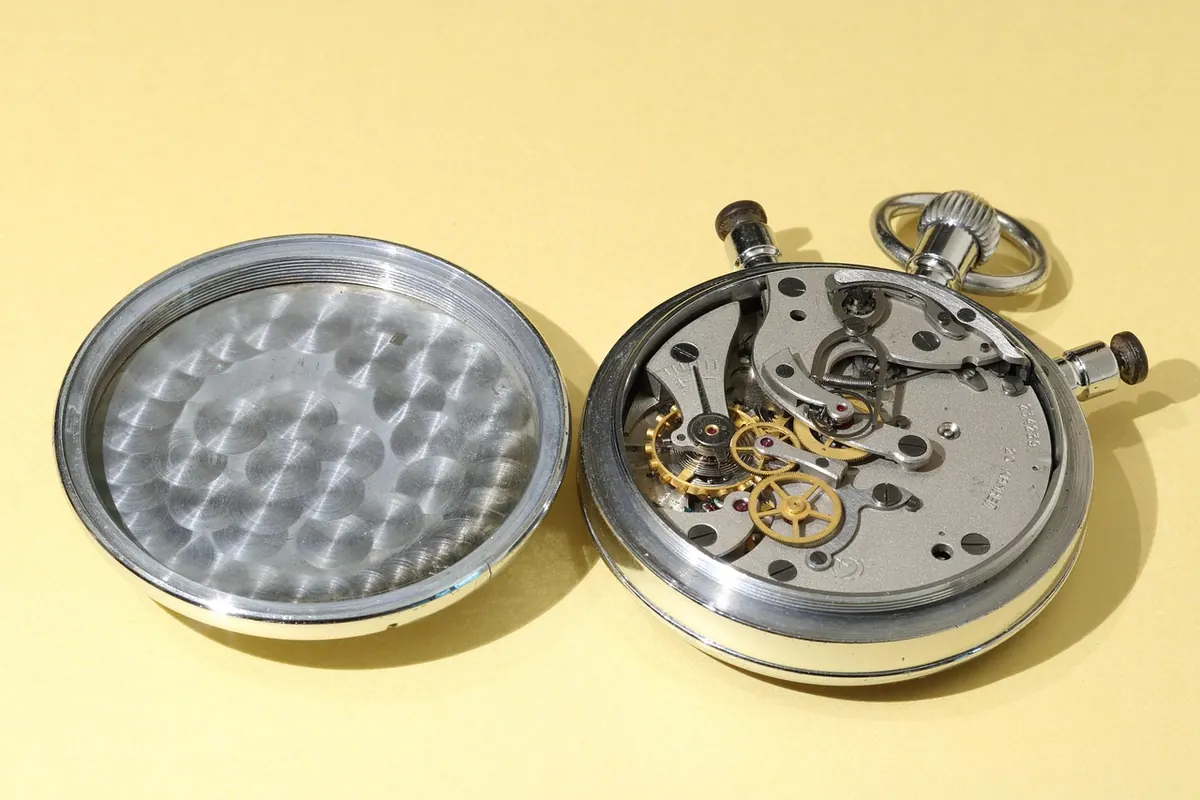
Always time for timeless watches and clocks..
Copyright © 2026 Ore Sempre. All rights reserved. Ore Sempre.